Over here at the, They Don’t Kiss Until Episode 16 blog, this is how I like to rate K dramas out of five. Five seems like a nice number to encapsulate all the emotions one goes through when watching a drama.
The ratings are as follows:

Romance dramas are rated out of five cheeses because, you know, sometimes they can be cheesy.
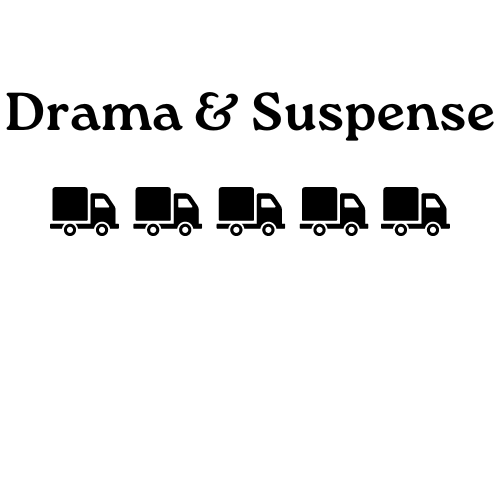
Drama and suspense dramas are rated out of five Trucks of Doom (thanks Reddit). We all know it’s not a good drama if someone doesn’t get unexpectedly hit by an ice box truck.
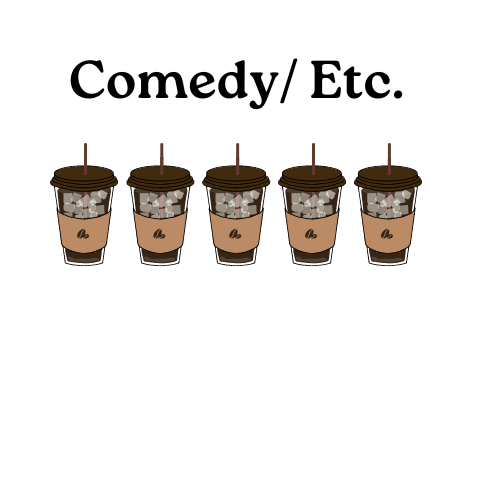
All the rest of the dramas, comedies and others that are difficult to categorize are rated out of five iced americanos because, I mean is it a drama if they arent’ in a cafe ordering an iced americano (in the dead of winter at that).
Categories
PLOT & PACING: Is the plot well-paced? Does the writer/writers leave gaping holes or significant unanswered questions? Does it feel like the writer/writers are making characters do things that don’t make sense? We all know a good, well-thought-out plot; if the plot is confusing or lagging, then the drama is not fun.
ACTING: I mean, this is the main part. K-dramas have an interesting blend of pop stars turned actors and veteran-trained actors. Some of them are amazing, like I.U. Others have to grow into the craft. This blend of actors with different backgrounds is interesting but can lead to some overacting. I’ve seen many an overacted part in a K-drama, which can make or break a show. Also, K-dramas have some of the best child actors I have ever seen.
CASTING: In some dramas, casting often depends on attractiveness rather than acting chops. But some casting is so well done you think the part was explicitly written for that person.
CHARACTERIZATION: Are the characters interesting and dynamic, or are they one-dimensional? Do I thoroughly root for my heroes and despise my villains? Do I root for my villains because their backstory is so captivating? Are motives clear?
COSTUMES: A lot of work goes into costuming, you know what I mean? Some characters are dressed so well those same items end up getting sold out in real life (here’s looking at you shoes from Little Women)
SETTING: The setting of a drama is almost a character itself. Whether it is a palatial mansion hiding the deep secrets of the inhabitants or a small neighborhood where the two leads bump into each other, starting an epic romance, the beautiful Han River, or a mountain temple, the right setting can take a mediocre story and make it great.
TROPES: This can go either way. I love a good trope, hence the title of this blog. I love the deep hugs the main lovers give each, when a desperate character begs on their knees and rubs their hands together, and when a plucky ingenue finds herself in a secret relationship with a stern on the outside yet lovable wealthy corporation president. You know a K-drama trope when you see one. Some of them are so good they help transport you into the world of the drama. Others feel like a check-off list.
PRODUCT PLACEMENT: I love product placement in K-dramas. Product placement in American shows is so subtle they go unnoticed, or a show is just inundated with commercials that you forget you are even watching television. But K-drama product placement has a special place in my heart. The character randomly or awkwardly chews on a Subway sandwich or slurps on a packet of energizing joint liquid supplements. Some of the products are seamlessly introduced into the script. Others, not so much. Either way, it is hilarious, and I enjoy seeing it.
OST: Some dramas are all about the music. Most of the time, we get great soundtracks from romantic comedies like Hotel Del Luna, but sometimes a good drama drops some great tunes in our lap like My Mister (wow, I’ve mentioned I.U. three times 🙂)



 They Don't Kiss Until Episode 16