
When the Phone Rings is a tightly paced makjang that grabs you from the beginning and initially makes you think that it isn’t a makjang, only to remind you in the last four episodes that it is, in fact, an over-the-top, plot-hole-riddled makjang. People were looking forward to this show, and for most fans, the romance in the show delivered after a year that was a bit underwhelming in the romantic K-drama department, so despite the weird plot, most viewers (not me) enjoyed the show.
Premise

Based on the webtoon entitled The Number You Have Dialed, When the Phone Rings follows the cold marriage of Baek Sa-eon and Hong Hee-Joo. Baek Sa Eon comes from a prestigious political family. He rose to prominence, starting as a war correspondent, hostage negotiator, and desk news anchor to becoming the youngest press secretary in Korea. Sa-eon’s reputation is unimpeachable. Hee-Joo is a sign language interpreter and the stepdaughter of an influential newspaper owner. Hee-Joo has a condition; she has selective mutism, resulting from a tragic accident in childhood. But it doesn’t matter; she doesn’t need to talk to her husband anyway. Their marriage is a contract marriage of convenience, ensuring that Sa-eon’s political family is protected in the media and that Hee-Joo’s stepfather reaps any benefits from having a political powerhouse family as in-laws. Everything changes between the couple when Sa-eon receives a call from a strange number claiming to have kidnapped Hee-Joo. The problem is no one is supposed to know that Sa-eon and Hee-Joo are married. Will this tragedy bring the couple together, and who is this mysterious caller?
Plot & Pacing
I’ll start with the pacing. I will say the show was paced well. Even though the last three or so, episodes felt a little rushed, even the cheesy romantic scenes were not a slog. BUT THE PLOT! From beginning to end, the plot was a stale donut. It looks good on the outside, and it is tolerable to eat for one or two bites, but then you say, you know what, this donut is stale, and you toss it out. Now, in the days that have passed since I’ve seen the show, I have realized that When the Phone Rings is a makjang, so the outlandish aspects of the show make sense in hindsight. But there are just too many plot holes and plot whys. Plot whys are aspects of the plot that simply do not make sense, but they exist because of Deus Ex Machina. For example, I-Na, Hee-Joo’s sister, lost her hearing in childhood and never, not once, got a hearing aid or attempted to learn sign language. Instead, Hee-Joo follows her and conveys what people are saying to her via writing because she can’t talk.
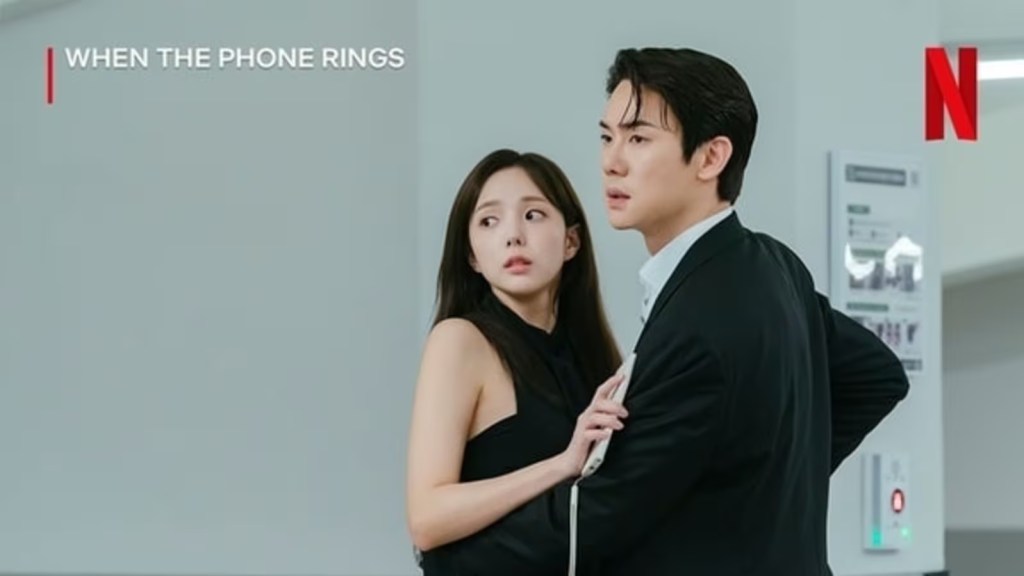
There are multiple plot points like this, and they all come to a boil in the last episode of the show, which, understandably, made audiences and fans want to throw their computers and streaming devices out of the window. In truth, the last episode of the show pulled the show down and the show was already around a 3 out of 5 up to that point.
The Romance Wasn’t Great
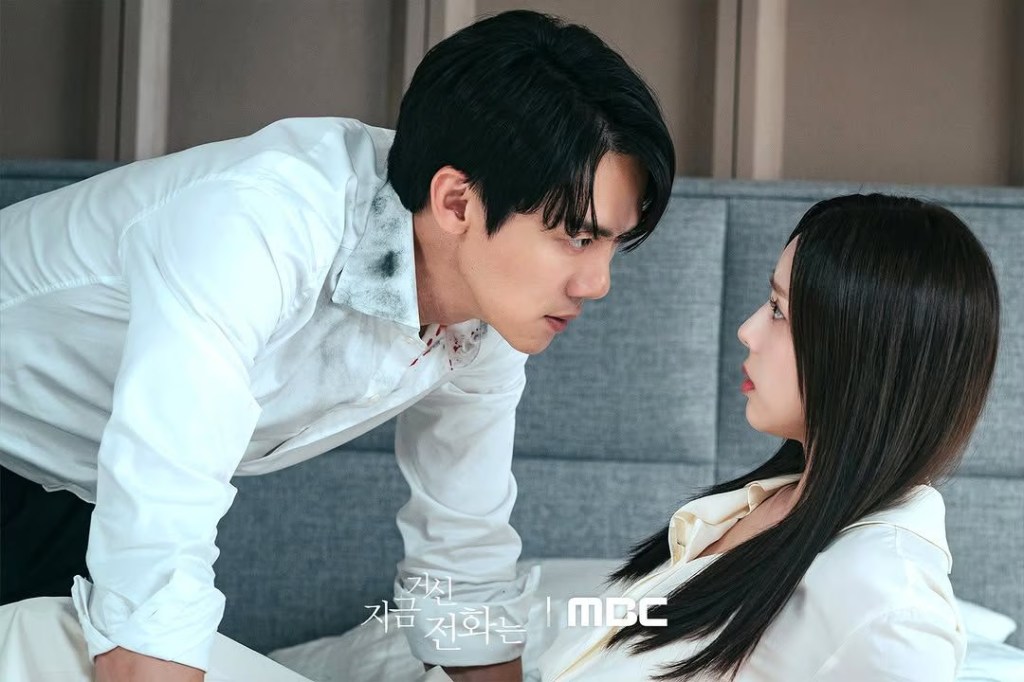
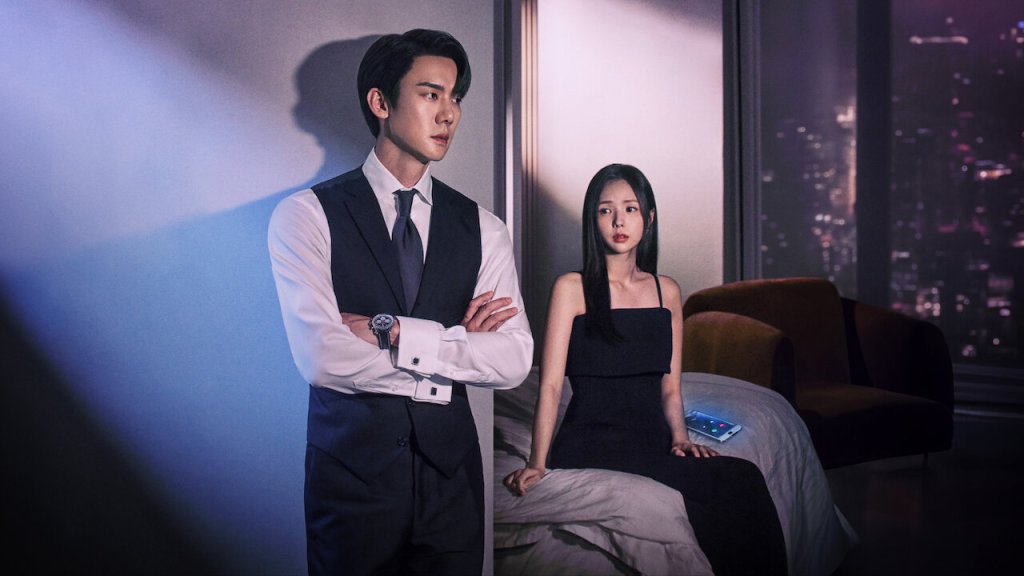
While the leads did have great chemistry with each other, the episodes that built the tension for the romance later in the show did nothing for me. It’s hard to describe. There are scenes where people seem to squeal and enjoy, but I didn’t feel that sequel and that tension of “Oh, I can’t wait until they kiss.” I did appreciate the very dramatic rescue scene between our two leads, but for me, the romance was meh.
Failure to Discuss Disability
Some interesting themes were covered in this show, but perhaps they were not covered well. The central theme, though not fully engaged, is disability. What was done well was portraying Hee-Joo as a competent adult human despite being unable to speak. Even the plot point of having Hee-Joo work in the Presidential spokesperson’s office was a response to a request by the people to ensure that speeches would be accessible. Thus, it seems that Korean writers are trying to address the importance of accessibility in the show.
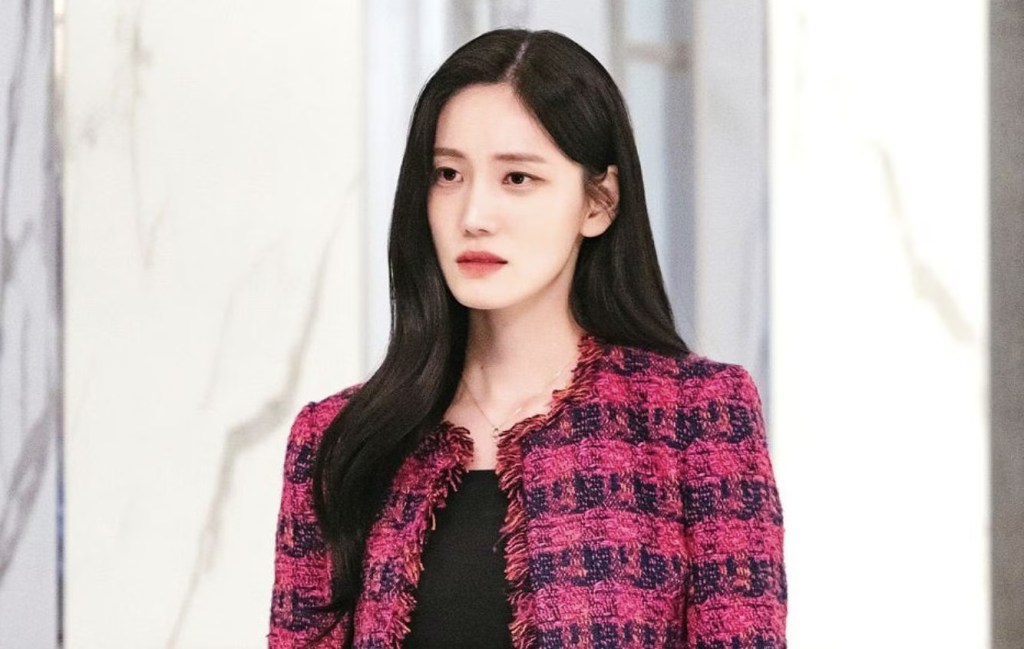
Now, to Hee-Joo’s sister I-Na’s deafness. I didn’t like how she got surgery, and boop, she isn’t deaf anymore. I think there was a good opportunity to explore deafness and perhaps the struggle a person has with once being heard and then losing that sense and adjusting to a new reality. Explain why she isn’t wearing a hearing aid despite having enough money to do so. Sometimes, hearing aids are not an easy solution. But all of this is glossed over.
Special shout out to Chae Soo-bin. It takes a lot to learn another language and act while speaking that language, remembering your speaking lines, timing, etc. I don’t know ASL or KSL, but it seems like Cha Soo-Bin did really well with signing. I hated the bubble cheeks she always had when she was signing, but overall, I commend her for learning Korean Sign Language for this show and conveying her emotions well when she spoke and when she didn’t. From my untrained eye, she looked like she’d known KSL for many years.
It’s Not All Bad
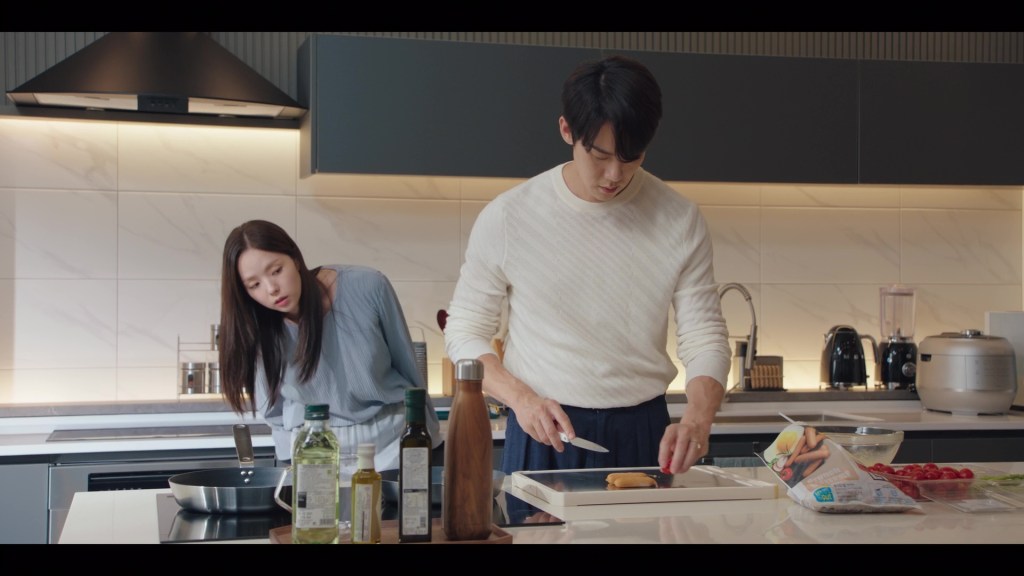

What we love as K-drama watchers are the amazing outfits our characters wear, and let me tell you, where the show lacked in plot, it made up for in costumes—Chef’s kiss. And if the costumes were not hitting you in the right spot, the show’s OST is great. The opening song, “When the Phone Rings” by Oh Hee-joon, had me body-rolling each time I played an episode, even if I knew that episode would disappoint me. The rest of the songs on the soundtrack are also a bop. The actor, Yoo Yeon-Seok, our male lead, has a song on the soundtrack entitled “Say My Name,” and as of January 15, the song reached 7th on the Billboard World Digital Song Sales. It was only released on January 4, as a part of the show’s return from a two-week hiatus. Fans loved Yoo Yeon-Seok as Baek Sa-eon and showed their love by purchasing the song.
Conclusions
Watch the show. It is entertaining enough. There are plot holes and many plot whys, but the show is only 12 tightly paced episodes. It’s not a great show, but it’s entertaining enough.




 They Don't Kiss Until Episode 16
Leave a comment